There comes a point in every growing business when wrapping by hand, or even with a small semi-automatic machine, cannot keep up. Orders arrive faster, the packing bench is always full, and the team spends more time wrapping than making the product. That is the moment to look at an automatic cellophane overwrapping machine. It wraps boxes on its own, at a steady pace, and frees the team for work that actually grows the business.
What Makes a Machine Automatic
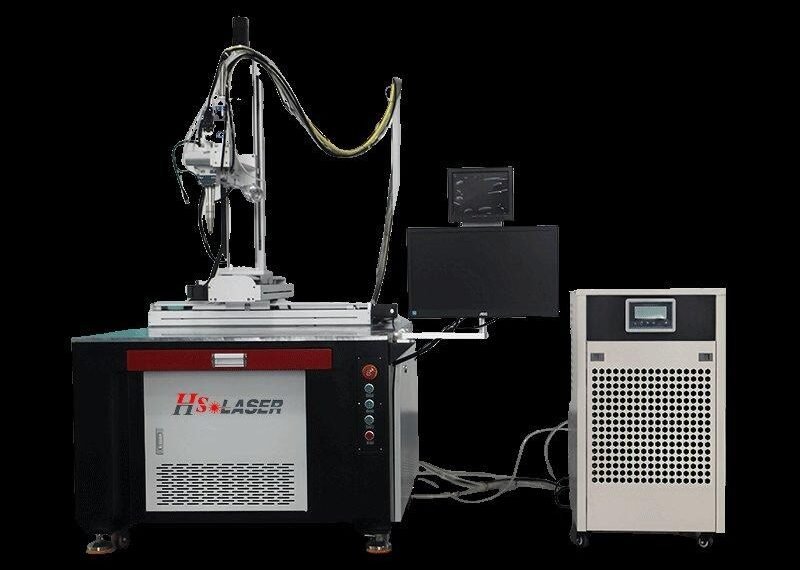
An automatic cellophane overwrapping machine takes boxes straight from a conveyor, wraps each one in film, seals it and sends it on to the next stage, all without an operator feeding it. The difference from a semi-automatic model is the infeed: instead of a person placing one box at a time, the boxes arrive on a belt, timed to match the wrapping cycle. The machine senses each box, draws and cuts the film, folds it around the carton, seals the ends and smooths the wrap, just as a smaller machine does, only faster and without stopping.
The change sounds small, but an automatic cellophane overwrapping machine transforms the working day. There is no one standing at the machine feeding boxes, which means the operator can be labelling, packing or preparing the next batch instead. The automatic cellophane overwrapping machine sets the pace, and that pace does not fall in the afternoon the way a person’s does.
Throughput That Matches Your Orders
The main reason businesses switch is throughput. An automatic cellophane overwrapping machine wraps far more boxes per hour than a semi-automatic model, and it keeps that pace all day. For a business whose orders have grown past what one operator can wrap, that difference is the gap between meeting dispatch dates and falling behind.
Throughput also makes planning easier. When the wrapping rate is known and steady, the business can promise delivery dates with confidence, take on larger orders, and plan production around a fixed schedule. A machine that wraps at a predictable rate turns wrapping from a bottleneck into a routine, which is exactly what a growing business needs.
Consistency at Higher Speeds
Speed is only useful if the packs still look good, and this is where an automatic cellophane overwrapping machine earns its keep. Because every step is timed by the machine rather than by hand, each box gets the same film length, the same folds and the same seal. The first box of the day looks like the thousandth, and customers receive the same quality in every order.
That consistency protects the brand as well. A business that grows quickly often finds its quality slipping, because new staff wrap differently from experienced ones. A machine removes that variation. The wrap becomes a fixed part of the product, not a variable that depends on who is on the bench that day.
Labour Savings That Add Up
The labour saving is straightforward. A semi-automatic machine needs one operator feeding it all day. An automatic cellophane overwrapping machine needs nobody at the infeed, and only occasional checks from an operator who is doing other jobs nearby. That person can supervise the line, stack finished packs and handle changeovers, while the machine does the wrapping.
Over a year, that saving is substantial. The hours freed can go into production, sales or product development, which are the activities that grow a business. The machine also reduces the strain on workers, since nobody spends the day feeding boxes, and that means fewer breaks, fewer mistakes and a happier team.
See also: Barrel Sauna 101 for Backyard Buyers
5 Signs You Are Ready to Automate
- Wrapping is the bottleneck: orders wait at the packing bench while the machine catches up.
- Overtime is routine: the team regularly stays late to finish wrapping.
- Quality varies: packs look different depending on who wrapped them.
- Volumes keep rising: each month brings more boxes than the last.
- Dispatch dates slip: delivery promises are missed because wrapping cannot keep pace.
Cost, Space and What to Expect
An automatic cellophane overwrapping machine costs more than a semi-automatic model, and it needs more space, including room for the infeed and outfeed conveyors. That is the honest trade-off, and it is why the decision should be based on volume rather than enthusiasm. If the current machine runs all day and still cannot keep up, the automatic model will pay for itself through saved hours and reliable dispatch. If volumes are still modest, a semi-automatic machine remains the better value.
Installation is usually straightforward, but it takes planning. The supplier should set the machine up, connect it to the existing conveyors, and run a test batch with your own boxes. Allow time for the operator to learn the controls and the changeover routine, and keep the old machine for short runs, since an automatic line is not always the quickest choice for a dozen boxes.
Frequently Asked Questions
How much faster is an automatic machine?
It depends on the model and the box size, but an automatic machine typically wraps several times as many boxes per hour as a semi-automatic one, and it keeps that pace without breaks.
Do I still need an operator?
You need someone nearby to supervise the line, check the finished packs and handle changeovers, but nobody has to stand at the machine feeding boxes all day.
Can an automatic machine handle different box sizes?
Yes, within its size range. Changeover takes longer than on a semi-automatic model, so group products by size and plan longer runs where you can.
Final Thoughts
An automatic cellophane overwrapping machine is a step up, not just a faster version of the same thing. It changes how the packing area works: no one feeding boxes, a steady pace all day, and the same neat finish on every pack. For a business whose orders have outgrown its wrapping capacity, that change is worth serious thought. When wrapping is the bottleneck, automation is usually the answer.