A laser welding machine is a significant investment, and the market offers many options: handheld units, compact workstations, gantry systems and fully robotic cells. Choosing the right one starts with understanding your work and ends with judging the company that sells it. This guide walks through the decisions in order, so that when you speak to a laser welding machine manufacturer you know what matters and what to ask.
Start with Your Parts and Materials
The first question is always the same: what are you welding? Thin sheet, battery tabs, jewellery, thick plate and medical components all need different machines. List your materials, their thicknesses and the joint types you use most. Note your production volume: a few repairs a week is very different from thousands of parts a day. Bring sample parts to a demonstration. A reputable laser welding machine manufacturer will weld your own parts in front of you and discuss the results honestly, including any problems. That demonstration tells you more than any specification sheet.
Handheld, Workstation or Automated
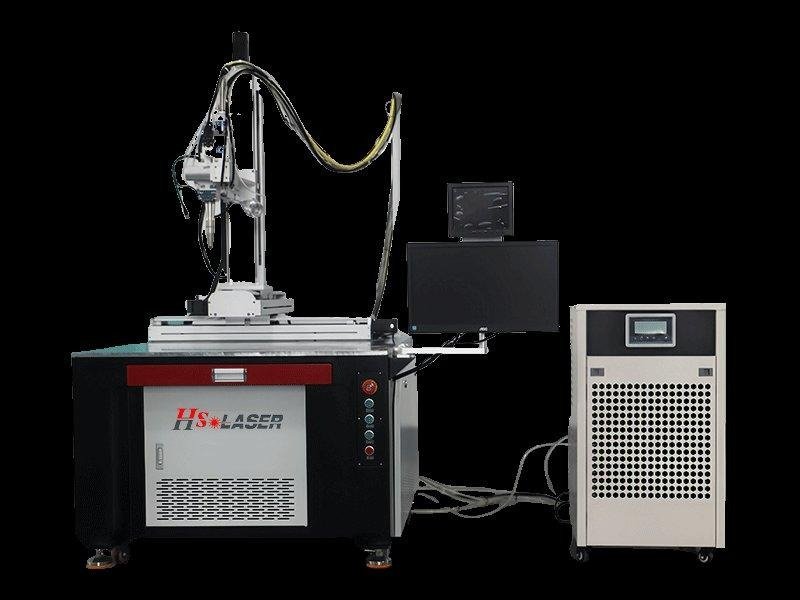
Handheld laser welders are the most flexible option for small workshops. The operator holds a light welding gun and moves it along the joint, much like a MIG torch, which makes them ideal for repairs, small batches and varied work. Workstation machines hold the parts in fixtures and move the head automatically, giving greater consistency for repeated jobs. Gantry and robotic systems suit high-volume production, where the same weld is repeated thousands of times. The right choice depends on your volume and variety: varied, low-volume work suits handheld machines, while high-volume, identical work suits automation.
Understanding Power and Beam Quality
Laser welding machines are rated by power, commonly from 1000 watts for thin work up to several kilowatts for thick sections. More power welds thicker material faster, but it also costs more and can damage thin parts. Beam quality matters as much as power: a well-focused beam produces a narrow, deep weld, while a poor beam spreads its energy and produces a wide, shallow one. Ask the laser welding machine manufacturer about the laser source, since established fibre sources tend to offer stable output and long service lives. The right power is the lowest that welds your thickest part cleanly at a sensible speed.
Cooling, Safety and the Working Area
Laser welding generates heat, and the system needs cooling. Air-cooled machines are simpler and suit lower powers, while water-cooled machines handle higher powers and longer runs. Safety is essential: laser welding is a class 4 process, so the operator needs proper safety glasses and the work area needs protection for others nearby. Many machines include an enclosed cabinet or a safety curtain. Check what safety equipment is included and what training the laser welding machine manufacturer provides, since safe operation depends on understanding the risks.
Support, Service and Total Cost
A welding machine will run for years, and support matters as much as the machine itself. Ask the laser welding machine manufacturer about training, spare parts, service response times and warranty terms. The cheapest machine is rarely the cheapest to own: running costs include electricity, shielding gas, consumables and maintenance, and downtime costs far more than any of them. Ask for an honest estimate of running costs and compare the total cost of ownership, not just the purchase price.
See also: How cutting-edge tech is revolutionizing airport safety and efficiency
5 Checks Before You Buy
- Weld your own parts: does the machine produce the joint you need?
- Match the type: handheld for varied work, automated for volume.
- Choose the right power: the lowest that welds your thickest part.
- Confirm safety: glasses, enclosures and training included.
- Judge the support: parts, service and warranty in writing.
Planning for Growth
The machine you buy today should still serve you as your business grows. Before you commit, think about where your work is heading. Will volumes rise? Will you take on new materials or larger parts? A system that can be upgraded, with a more powerful source, new software or automation, protects your investment. Ask the laser welding machine manufacturer what upgrades your chosen machine supports and what they cost. Some manufacturers offer trade-in programmes or modular designs that let you add a rotary axis, a larger bed or a robotic cell later. Planning for growth also means thinking about your team: as work increases, you will need more trained operators, and a laser welding machine manufacturer that offers ongoing training makes that easier. The cheapest machine that meets today’s needs can become the most expensive one if it cannot grow with you. Choose a system, and a supplier, with room to expand.
Frequently Asked Questions
What power do I need for thin sheet metal?
Thin sheet welds well with lower-power machines, often around 1000 to 1500 watts. A demonstration on your own material is the best guide.
Can one machine weld different metals?
Yes. Most laser welding machines handle steel, stainless steel, aluminium, copper and titanium, though settings differ for each material.
How long does a laser welding machine last?
With proper care and maintenance, a fibre laser source can serve for many years of daily use. Your laser welding machine manufacturer should give you a clear service schedule.
Final Thoughts
Choosing a laser welding machine comes down to matching the machine to your parts, your volume and your working style, then judging the laser welding machine manufacturer on support and honesty. Test on your own work, compare the total cost of ownership, and choose the company you would trust to support you for years. The right machine, bought from the right laser welding machine manufacturer, will repay that care many times over. When you are ready to buy, a laser welding machine manufacturer that understands your work will help you choose the right system.