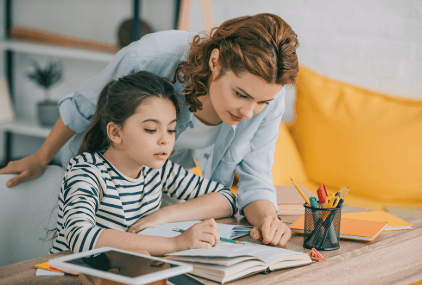
More Florida families are choosing to take education into their own hands. Whether driven by concerns about school fit, a desire for flexible scheduling, or a need to customize learning for a child with unique needs, the decision to homeschool is deeply personal. But before you dive in, it helps to understand what the state actually requires. Understanding homeschooling in florida means knowing both your rights and your responsibilities as a parent educator.
This guide breaks down everything you need to know in plain language, from how to get started to what you need to report each year. Think of it as your road map for a smooth homeschooling journey in the Sunshine State.
Florida’s Homeschooling Law: What It Actually Means for You
More than 155,532 students were enrolled in Florida’s home education program last year, reflecting the continued growth of homeschooling statewide.
Florida is generally considered a homeschool-friendly state. The law gives parents wide latitude to choose curriculum, set daily schedules, and decide how their children will be evaluated. That said, there are a few non-negotiable requirements that every homeschooling family must follow.
Florida Statute 1002.41 is the primary law governing home education in the state. It defines a home education program as sequentially progressive instruction of a student directed by a parent or guardian. The key word here is ‘sequentially progressive,’ which simply means your child should be moving forward in their learning over time.
Under this law, you have three main legal pathways to homeschool. You can file a Notice of Intent with your county school district, enroll in a Florida Virtual School or an umbrella school, or work through a private school that allows home education. Each option carries slightly different requirements, but the most common route is filing a Notice of Intent directly with your school district.
How to File a Notice of Intent
If you choose to homeschool independently, your first step is sending a written Notice of Intent to your local school district superintendent. This notice must be submitted within 30 days of beginning your home education program and must be renewed each year.
The notice is straightforward. It typically includes your child’s name, date of birth, and address, along with a statement that you intend to provide home education. Most school districts have an online form or a mailing address where you can send this notice. It does not require approval or acceptance from the district. You are simply informing them.
Keep a copy for your records. Some parents also send their notice by certified mail so they have proof of delivery. It is a small but smart step that can save headaches down the road.
Keeping a Portfolio: Your Annual Documentation Requirement
One of the most important ongoing requirements for Florida homeschoolers is maintaining a portfolio of educational materials. This is your ongoing record of your child’s schoolwork, and it serves as proof that education is actually happening in your home.
A portfolio typically includes samples of written work, reading logs, art projects, math assignments, and any other materials that show your child’s progress. You do not need to save every single worksheet, but you should have a representative collection that reflects what your child has been learning throughout the year.
The portfolio must be maintained and made available for review if requested. Florida law requires that your child be evaluated annually, and the portfolio is usually the central piece of that evaluation. You have several options for how that evaluation is conducted, which we will cover next.
Annual Evaluation Options for Florida Homeschoolers
Every homeschooled child in Florida must be evaluated once per year. This might sound intimidating at first, but the good news is that the state gives you multiple ways to satisfy this requirement.
You can have a Florida-certified teacher review your portfolio and provide a written evaluation. Many homeschool co-ops and support groups can connect you with teachers who are familiar with this process. Alternatively, you can choose to have your child take a nationally normed standardized test. Options like the Iowa Test of Basic Skills or the Stanford Achievement Test are commonly used. You can also have your child evaluated by a psychologist or other qualified professional.
The important thing is that the evaluation happens each year and that you have documentation showing it was completed. This evaluation does not need to be submitted to the school district unless they specifically request it. You simply keep it on file.
Curriculum Choices: The Freedom Is Yours
One of the biggest reasons families choose to homeschool is the freedom to pick curriculum that actually fits their child. Florida does not require you to follow any specific curriculum or teaching method. You are free to use boxed curriculum sets, online programs, library books, hands-on learning, or any combination that works for your family.
Some families gravitate toward structured programs that provide daily lesson plans and assessments. Others prefer a more relaxed approach where learning happens organically through daily life. There is no wrong answer as long as your child is progressing and your portfolio reflects that growth.
When choosing a curriculum, think about your child’s learning style, your own teaching comfort level, and your family’s schedule. Trial and error is completely normal. Many seasoned homeschoolers will tell you that what worked beautifully in year one needed to be completely revamped by year three.
See also: Should You Bring a Wagon to the Beach? 5 Pros and Cons
Florida Homeschool Resources Worth Knowing About
You do not have to figure this all out alone. Florida has a robust homeschooling community with plenty of resources to support you along the way.
Florida Parent Educators Association (FPEA) is one of the largest homeschool organizations in the country. They offer an annual convention, curriculum fairs, and connections to local support groups across the state. Their website is a great starting point for new homeschoolers looking to get oriented.
Local homeschool co-ops are another valuable resource. These groups typically meet weekly or biweekly and offer classes, social activities, and field trips. Co-ops give kids opportunities to learn alongside peers and give parents a break from being the sole instructor. A quick search for homeschool co-ops in your county will likely turn up several options.
Florida Virtual School (FLVS) also offers free courses to homeschooled students who are residents of Florida. These range from core academic subjects to electives, and they can be a great supplement to your home program, especially for high school students who need credit in a subject you feel less confident teaching.
A Few Things New Homeschoolers Often Overlook
When you are new to homeschooling, it is easy to get caught up in the excitement of curriculum shopping and forget some of the practical details. Here are a few things worth keeping in mind as you get started.
Keep organized records from day one. Set up a simple system for saving your child’s work, whether that is a physical binder, a folder on your computer, or a combination of both. Staying organized throughout the year makes the annual portfolio review much less stressful.
Remember to renew your Notice of Intent annually. Florida requires this renewal each year, and many parents set a calendar reminder to make sure they do not miss the deadline. Missing it does not usually result in immediate consequences, but staying on top of it keeps you in good legal standing.
Reach out to your local homeschool community early. Even if you are someone who prefers to do things independently, having a network of other homeschooling parents is invaluable. They have been through the same questions you are asking right now, and most are genuinely happy to share what they have learned.
Getting Started With Confidence
Homeschooling in Florida is more accessible than many parents initially realize. Once you understand the filing requirements, portfolio expectations, and evaluation options, the process becomes much less overwhelming. The state gives you real freedom to educate your child in a way that fits your family, and there are plenty of resources available to support you along the way.
Start simple, stay organized, and do not be afraid to ask for help when you need it. The homeschooling community in Florida is welcoming, experienced, and genuinely invested in helping new families find their footing. You are not starting from scratch because thousands of Florida families have walked this path before you and are happy to share the way.