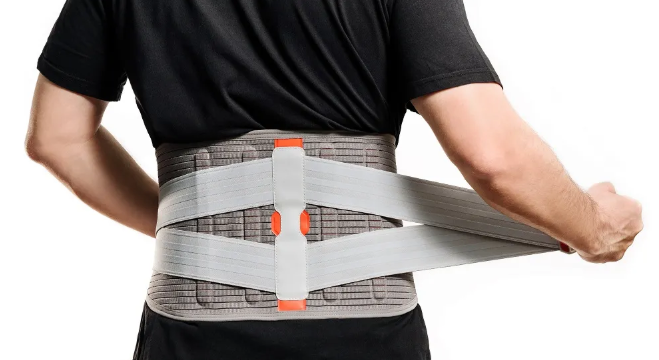
A brace that fits poorly is not just uncomfortable. It can actively slow recovery, reinforce compensatory movement patterns, and in some cases cause new tissue irritation where none existed before. Research consistently shows that patient non-compliance with orthotic devices is one of the biggest barriers to successful conservative management, and a significant portion of that non-compliance traces back to fit issues that were never properly identified or addressed in the clinic.
For occupational therapists and physical therapists working with patients who use CMC thumb braces, wrist supports, or other joint orthotics, having a structured approach to brace assessment is not optional. It is a core clinical skill. This guide walks through how to evaluate fit accurately, what signs to watch for, and how to set patients up to manage their own brace between appointments.
Why Brace Fit Matters More Than Most Clinicians Realise
There is a common assumption that once a patient leaves the clinic with a brace on, the job is largely done. In practice, brace fit changes. Soft tissue swelling reduces over the first few days post-injury. Muscle bulk shifts with activity levels. The brace itself can stretch slightly with repeated wear. What fit well at the initial appointment may not fit correctly two weeks later.
Beyond the physical changes, patients frequently modify how they wear their braces without realising they are doing anything wrong. They loosen straps because the brace feels tight after prolonged wear. They rotate the brace slightly to avoid pressure on a sensitive spot. Small adjustments accumulate into significant misalignment.
The consequences are real. A thumb brace that has drifted out of position will fail to stabilise the carpometacarpal joint during pinch and grip activities, which defeats the entire purpose of the orthosis. A knee brace that has migrated distally puts compression in the wrong place and can impair circulation. Getting this right at every follow-up visit protects outcomes and patient trust.
See also: Food, Health, Home, and Lifestyle: Creating a Balanced Modern Life
Conducting a Brace Fit Assessment: A Structured Clinical Approach
Step 1: Observe Before You Touch
Ask the patient to put the brace on themselves, exactly as they do at home. Watch the whole process. You will learn more from observing their self-application technique than from applying it yourself.
Look for:
- Which hand or limb they stabilise with
- Whether they follow the correct donning sequence
- How tightly they fasten each strap
- Whether they appear uncertain about any step
If they struggle or deviate noticeably from the correct method, that tells you where your patient education needs to focus.
Step 2: Check Anatomical Alignment
Once the brace is on, assess whether the functional components are sitting over the right anatomy. For CMC thumb braces, this is particularly critical. The brace should position the thumb in a functional opposition, with the opponens pollicis supported and the CMC joint held in a pain-free position without forcing excessive radial abduction.
Common alignment failures to check for:
- The thumb post or rigid element sitting too distally, resting over the MCP joint rather than the CMC
- The palmar bar impinging on the thenar eminence rather than supporting it
- The wrist component, if present, sitting off-centre due to improper strap tension
Run your fingers along the brace edges and ask the patient to report any areas of focal pressure. Then watch their face when they do. Patients often minimise discomfort, so visual cues matter.
Step 3: Functional Movement Testing
Brace fit should always be tested under load. Ask the patient to perform a few functional tasks while wearing it: picking up a pen, pinching a piece of paper, turning a door handle. The brace should move with the hand, not against it.
If you see the orthosis shifting position during grip activities, or the patient compensating by altering their wrist or elbow posture to accommodate the brace, that is a fitting problem, not a patient problem. The device is not doing its job.
Common Fitting Mistakes Therapists Find in Clinic
Across conditions and brace types, a handful of errors come up repeatedly in clinical practice.
Straps that are either too tight or too loose. Patients rarely find the middle ground intuitively. Too tight and you get distal oedema, skin irritation, and numbness. Too loose and the brace migrates and provides no meaningful stability.
Incorrect sizing. Patients often self-select brace size based on a general sense of their hand or body size rather than following the manufacturer’s measurement guide. This is especially common with CMC thumb braces purchased online. Sizing guides based on thumb circumference or hand width exist for a reason, and patients frequently skip them.
Wearing the brace on the wrong surface orientation. Some braces have a specific medial or lateral orientation. It sounds obvious, but misapplication along this axis is more common than most clinicians expect, particularly with bilateral conditions where patients alternate between hands.
Skin breakdown from prolonged uninterrupted wear. Some patients wear their brace for twelve or more hours without removing it for skin checks. Without a structured wear schedule and clear guidance on when to take the brace off, this becomes a risk, particularly for older adults or those with reduced sensation.
Signs of Improper Use Between Visits
By the time a patient returns for follow-up, the evidence of poor fit or incorrect use is usually visible if you know what to look for.
Examine the skin before the brace goes back on. Areas of consistent redness, callus formation, or skin breakdown indicate pressure points. A reddened area that blanches with light pressure and fades within twenty minutes is a Grade 1 pressure injury, and it should prompt immediate reassessment of brace positioning and padding.
Check the brace itself. Asymmetric wear patterns on the lining, stretched or frayed straps, and deformation of the rigid components are all physical evidence that the device is not being used correctly. A well-fitted brace worn properly wears evenly.
Ask directly whether symptoms have changed. Pain that has increased since brace use began, new sensations of tingling or numbness, or a sense that the joint feels “no different” despite compliance often points to a fit issue rather than a treatment failure.
Teaching Patients to Self-Monitor Brace Fit
The gap between clinical visits is where most fitting problems develop. Giving patients a clear and simple self-check framework significantly reduces the risk of those problems going unnoticed.
The SAFE Framework for Patients
This is a practical structure you can introduce during any brace education session:
- S for Skin: Check for any new redness, soreness, or skin changes every time the brace is removed. If redness persists for more than thirty minutes after removal, contact your therapist.
- A for Alignment: The brace should sit in the same position every time. Use a mirror or a reference point on the skin (a small washable mark near the brace edge works well) to verify position.
- F for Fastening: Straps should feel snug but should never cause tingling or discoloration in the fingers. If you need to re-tighten noticeably after an hour of wear, the fit may need reassessment.
- E for Ease of Movement: The brace should support the joint without completely blocking the movements you need for daily tasks. If something has changed, note it down and bring it to your next appointment.
Providing this as a simple printed card or a short video demonstration increases patient recall significantly. According to patient education research published by the American Journal of Occupational Therapy, written and visual instruction combined produces substantially better adherence outcomes than verbal instruction alone.
Brace Selection and Fit: Getting It Right From the Start
A significant number of fitting problems are preventable through better initial product selection. For thumb CMC conditions specifically, using a brace designed with anatomical input makes a meaningful difference to how accurately it can be positioned and how well it stays in place during functional use.
When choosing appropriate brace options for patients, consider the fit architecture of the device: whether the thumb channel is anatomically contoured, how the strap system allows micro-adjustment, and whether the material has enough rigidity to maintain position across a range of grip activities without becoming a rigid constraint.
Therapists who take time with initial brace selection, rather than defaulting to whichever product is most available, tend to see fewer fitting issues downstream. It is worth building a working knowledge of the different brace lines suited to your patient caseload. Resources like BraceLab provide detailed product comparisons and clinical information that can support that selection process without requiring a long-form product review every time a new patient comes in.
Key Takeaways
- Always observe patients self-applying their brace before assessing fit. The self-application process reveals errors that would otherwise go undetected.
- Anatomical alignment matters more than comfort alone. A brace that feels fine but is positioned incorrectly will not protect or support the target joint effectively.
- Skin assessment before the brace goes back on is a non-negotiable part of every follow-up. Persistent redness or callus formation is clinical evidence of a fitting problem.
- The SAFE framework (Skin, Alignment, Fastening, Ease of Movement) gives patients a practical, repeatable self-check routine they can use at home.
- Brace selection quality directly affects how well a device can be fitted and maintained in position. Starting with the right product reduces fitting problems significantly.
Frequently Asked Questions
How often should a therapist formally reassess brace fit? A structured fit assessment should happen at every follow-up visit, not just the initial fitting appointment. Soft tissue changes, activity level fluctuations, and gradual material wear all affect how a brace sits on the body. Even if the patient reports no issues, a visual and functional check takes only a few minutes and can catch problems before they become clinical concerns.
What is the most common fitting error with CMC thumb braces specifically? The most frequently seen issue is the brace sitting too distally, with the rigid stabilising component resting over the MCP joint rather than the CMC. This happens partly because patients position the brace based on where it “feels” most snug, rather than on anatomical landmarks. Marking the CMC joint location on the patient’s thumb before initial fitting, and using that mark as a reference at follow-up, helps address this directly.
Can a brace that fits correctly still cause skin irritation? Yes, particularly during the first two weeks of use. New brace contact areas can cause mild transient redness as the skin adapts. The distinction between normal adaptation and a genuine pressure problem is the duration and depth of the redness and whether the skin changes are progressing over time. Transient redness that resolves within twenty to thirty minutes is usually normal. Persistent or deepening marks are not.
How do I help a patient who keeps loosening their straps because the brace feels too tight? First, rule out that the brace is genuinely too small. If sizing is appropriate, the issue is often related to strapping sequence rather than tightness. Many patients fasten the distal strap first, which compresses soft tissue and creates discomfort that prompts them to loosen everything. Teaching proximal-to-distal fastening often resolves the problem without any changes to the brace itself.
Should patients wear their brace during sleep? This depends on the condition and the treating clinician’s clinical judgment. For acute CMC instability or post-operative thumb recovery, nocturnal wear may be appropriate in the early phase. For chronic conditions managed conservatively, overnight rest from the brace is often beneficial for skin health. Each patient’s wear schedule should be explicitly discussed rather than left open to interpretation.
Conclusion
Brace fit is not a one-time clinical task. It is an ongoing process that spans the full duration of a patient’s orthotic management. Therapists who build structured assessment habits, educate patients to self-monitor effectively, and select devices with genuine anatomical precision will consistently see better adherence and better outcomes than those who treat fitting as a single-visit concern.
The patients who benefit most from orthotic intervention are the ones whose therapists stayed curious about how the brace was actually being used between clinic visits. That curiosity, translated into systematic assessment, is what separates good brace management from great outcomes.