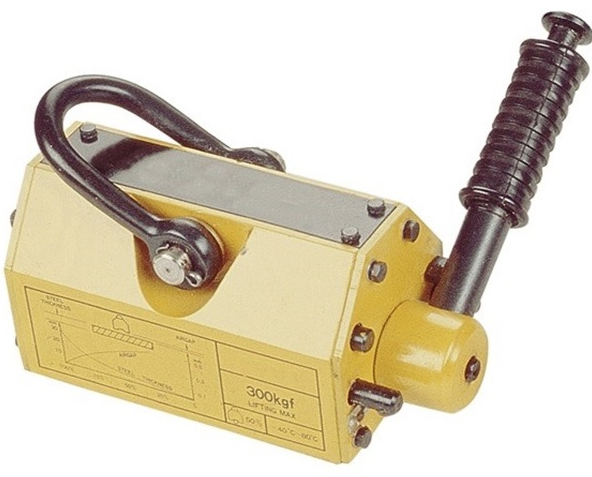
Lifting magnets have quietly transformed heavy lifting, making jobs easier and safer across industries like construction, fabrication, and utilities. These clever tools use magnetic force to grab, hold, and move heavy metal objects with precision. A great example of such innovation is Mr. Manhole, a product that exemplifies how these devices work, how operators control them, and why they are so effective.
The Invisible Force Behind the Lift
Before we dive into mechanisms and types, it helps to understand what makes a lifting magnet truly powerful. Magnetic lifting is rooted in the fundamental interaction between magnets and ferrous metals like steel and iron. Magnetic fields attract these materials by aligning tiny magnetic domains within them, creating a strong bonding force that can exceed thousands of pounds in holding power when conditions are right.
Understanding Magnetic Attraction
At its core, a lifting magnet generates a magnetic field that passes into a metal object. When the magnet’s magnetic domains align with those in the steel or iron, the force of attraction becomes strong enough to lift heavy loads. The strength of this pull depends on several factors:
● how powerful the magnet itself is
● how large the contact area between the magnet and the load is
● how clean and flat the surface of the material is
If the surface has gaps like rust or paint, the magnetic field weakens. That’s why surface preparation is a key step before lifting.
Fun fact magnets don’t lose their power just because they’re lifting heavy weight. The force comes from aligning particles within the materials, not from stored energy that gets used up.
Types of Lifting Magnets Explained
There isn’t just one way to create magnetic lifting power. Different magnet types offer different benefits depending on your workflow and load size.
Permanent Magnets
Permanent lifting magnets use materials like neodymium or ferrite that keep their magnetism without any power source. These magnets are simple, durable, and require no wiring or electricity to operate. Operators typically turn them on or off by rotating an internal rotor or flipping a mechanical lever.
These are ideal for workshop tasks or environments where power isn’t readily available. But their strength is fixed and sensitive to air gaps, so they work best with clean, flat surfaces.
See also: The Cultural Shifts Driven by Technology
Electromagnets
Electromagnets generate the magnetic field only when electric current flows through a coil wrapped around a ferromagnetic core. This allows operators to adjust the strength of the magnetic field easily and control the lift with a switch or remote.
These magnets are great for heavy industrial applications where loads vary or require precise control. The downside? They need a reliable power source and safety systems to handle potential electrical failures.
Electropermanent Magnets
Electropermanent magnets combine the best of both worlds. They use permanent magnet materials but can be switched on or off with a short electrical pulse, and they don’t need continuous power to sustain the magnetic field after activation.
This type is particularly useful where power availability is inconsistent or when you need the strength of a permanent magnet with the flexibility of an electromagnet.
Practical Load Control on the Job
A lifting magnet attaches to heavy ferrous objects quickly and without hooks or clamps, streamlining the process of raising and positioning them.
Clean Surface Equals Stronger Grip
One thing that often surprises people is how much surface condition matters. Even a thin layer of paint, rust, or debris can introduce tiny gaps between the magnet and the metal surface. These gaps weaken the magnetic bond, sometimes cutting the effective holding force significantly. That means operators must inspect and clean surfaces to ensure a tight, gap‑free fit.
Safety and Control
Using lifting magnets properly isn’t just about strength. Safety systems like mechanical locks, load indicators, and fail‑safes help prevent accidental release during a lift. Many modern magnets also include features that prevent turning off the magnet when a load is still engaged.
Fun fact magnets used in lifting are often made with rare earth materials, like neodymium, which are some of the strongest types of permanent magnets humans can produce.
Real‑World Uses: From Steel Plates to Manhole Covers
Lifting magnets are versatile. They simplify tasks like moving steel plates in a fabrication shop, loading materials in a warehouse, and even assisting in utility work where heavy metal covers need to be lifted with precision and safety. By reducing the need for chains or slings, they cut setup time and minimize risk to workers.
Whether you’re transitioning from traditional rigging to magnetic lifting, or optimizing an existing magnetic lifting workflow, these devices offer controlled, reliable solutions for handling heavy materials.
Magnetic lifting magnets combine physics, engineering, and practical design so that heavy lifting feels almost effortless. When you understand how the force works and how to control it, magnetic lifting becomes not just effective, but strategically smart.