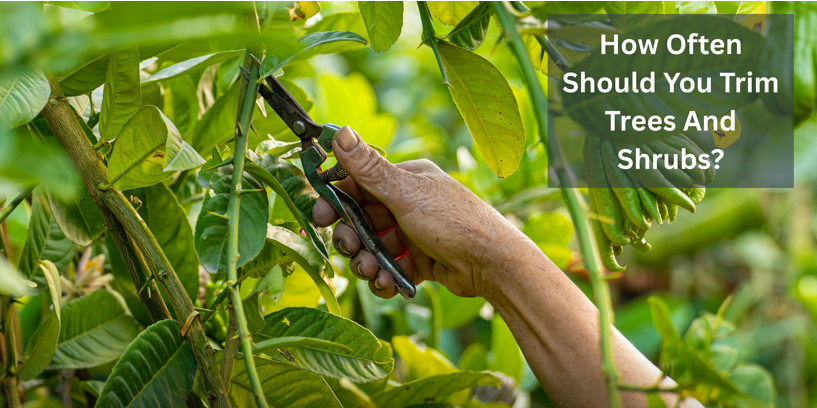
Branches growing out of place, irregular shrubs, and poor health of plants can soon transform an attractive yard into a nightmare to maintain. The same question is a dilemma to many homeowners; trim it too frequently, and the plants grow weak, and leave it too long, and the growth becomes tough to control.
The timing is also important since inadequate pruning may expose trees and shrubs to pests, disease, and environmental stress. Consequently, it is important to have knowledge of the appropriate trimming schedule in order to ensure healthy growth and a balanced landscape.
When pruning is done properly and at the correct time, plants grow sturdier, their shape is maintained, and they are able to stand strong throughout the seasons.
This article discusses the frequency with which you should prune trees and shrubs, as well as the conditions that define the optimal time to maintain a healthy landscape.
1. Trim According to Plant Type and Growth Rate
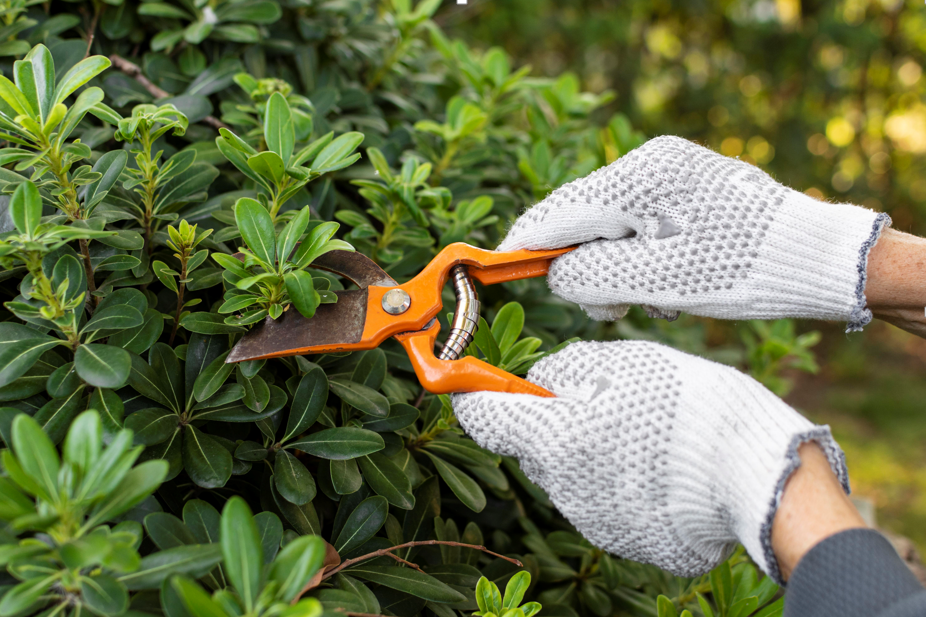
Various plants grow at varying rates, and thus the trimming schedules need to be different. Shrubs grow very fast and therefore might need to be trimmed a couple of times a year, whereas trees grow more slowly and therefore might need only to be trimmed occasionally.
Plant growth cycles have a powerful impact on pruning schedules in places where the climate is seasonal, such as in Connecticut. The tree and shrub services in Connecticut provided by homeowners are sought after to ensure that growth patterns are healthy and seasonal care is well-taken care of.
In the case of shrubs, it is normally advised that light pruning should be done two to three times a year in order to promote thick growth and shape. However, trees typically need to be trimmed every three to five years unless they are fast-growing.
Regulating the frequency of the trimming process in relation to the species of plants and their growth patterns is a measure to avoid overcrowding and contribute to the long-term well-being.
2. Adhere to Seasonal Pruning Rules
The time of the year is a key factor that defines when to trim the trees and shrubs. Pruning during the inappropriate time may disrupt the flowering periods or may subject the plants to some stress.
Major pruning is usually done at the end of winter or at the beginning of spring. At this stage, plants are dormant, and this minimizes stress and enables plants to recover fast once they start growing.
Light pruning is normally applied during summer to control overgrowth and to do light shaping. It assists in having a balanced canopy and does not allow branches to get too thick.
Conversely, fall pruning is discouraged since it can cause new growth, which will not be able to sustain low temperatures. The practice of seasonal pruning enables trees and shrubs to be stronger and stand year-round.
3. Prune for Plant Health, Not Just Appearance
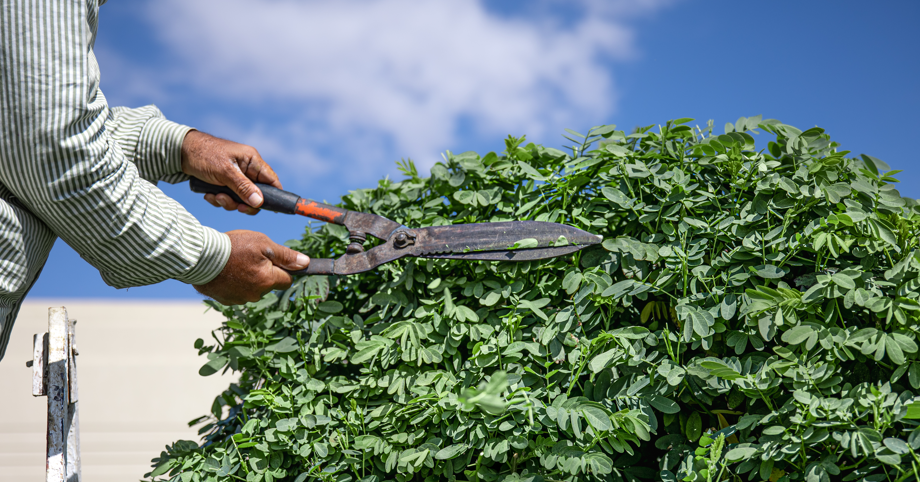
The pruning of plants is usually performed to enhance the beauty of plants. Nevertheless, pruning must also aim at preserving the health of plants.
The dead, diseased, or damaged branches should be removed before the problems reach the healthy regions. Branches that are weak are often targeted by insects and fungal diseases, and hence removal at an early stage minimizes the chances of attack.
Crowded branches are also pruned to enhance air circulation and penetration of sunlight. The increased airflow prevents the development of fungus, and the sunlight promotes stronger foliage.
Also, eliminating branches that collide with each other will avoid damaging the bark, which may leave the plant weak over time. By making the health of the plants a priority during trimming, you minimize the number of future maintenance problems and promote healthy growth.
4. Maintain Structural Pruning Every Few Years
Young trees benefit greatly from structural pruning, which shapes their framework and encourages balanced branch distribution.
Structural pruning is usually performed every two to three years during a tree’s early development. The goal is to remove weak or competing branches and guide the tree toward a strong structure.
Without this guidance, trees may develop uneven canopies or branches that grow at unstable angles. Over time, these issues can increase the risk of breakage during storms.
For mature trees, structural pruning becomes less frequent. However, periodic evaluation ensures that the canopy remains balanced and stable.
Consistent structural care improves long-term tree stability and reduces the need for major corrective trimming later.
See also: Food, Health, Home, and Lifestyle: Creating a Balanced Modern Life
5. Monitor Plant Health and Environmental Stress
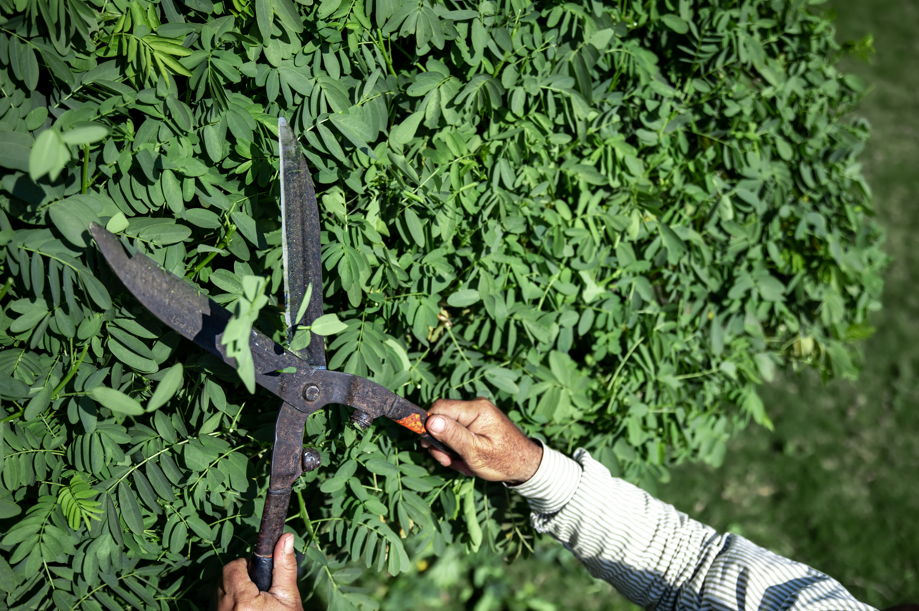
Trimming schedules should also adapt to environmental conditions and plant stress. Trees and shrubs experiencing pest activity, disease, or weather damage may require pruning outside the normal schedule.
For instance, removing infected or infested branches early can stop problems from spreading. This targeted approach helps protect the rest of the plant while preserving healthy growth.
Similarly, pruning overcrowded areas improves air circulation and reduces moisture buildup, which can encourage fungal problems.
Regular observation of your landscape allows you to identify issues early and respond with appropriate trimming when needed.
Final Thoughts
Trimming trees and shrubs plays a vital role in maintaining a healthy and attractive landscape. The ideal schedule depends on several factors, including plant species, growth rate, seasonal timing, and overall plant health.
In most cases, shrubs benefit from trimming two to three times per year, while trees often require structural pruning every few years. At the same time, seasonal pruning, particularly in late winter or early spring, helps plants recover quickly and grow more efficiently.
When trimming schedules align with natural growth cycles, trees and shrubs remain stronger, healthier, and easier to manage.