A metal fence gate enhances the safety, order, and beauty of your premises. Nevertheless, it may gradually be eroded by rain, humidity, sunlight, and dust. Moreover, a small scratch or discoloration can, over time, turn into rust, which will spread over the frame.
In the long run, that corrosion undermines the metal, interferes with the smooth working, and erodes the general look of your entrance. Of course, it is not viable and economical to replace a gate because of avoidable damage.
The positive side is that rust and structural corrosion are preventable when careful maintenance is applied and informed decisions are made.
With a grasp of the corrosion formation process and simple precautionary techniques, you can ensure that the integrity and coating of your gate remain safe.
This article discusses the steps that you can take to keep your metal fence gate rust-free and undamaged.
1. Begin With Corrosion-Resistant Materials and Finishes
A metal fence gate can be safeguarded best by starting with the selection of a material that is designed to be resistant to corrosion.
Galvanized steel gates are more durable since the zinc coating prevents moisture from reaching the metal beneath. Zinc has a slower rate of corrosion compared to iron, so it forms a protective layer that slows down the process of rust. To further protect against this, a polyester powder-coated finish should be added.
This coating covers the metal surface, and it limits direct exposure to the rain, humidity, and UV rays. In addition to protection, powder coating provides a smooth, uniform finish that does not fade or peel.
Once your gate is constructed using these layered treatments, it will be easier to maintain, and there will be an increase in the long-term performance. It is also a good idea to begin with corrosion-resistant materials to make you less exposed and make your own preventive measures more successful.
2. Clean the Gate Regularly to Remove Dirt and Moisture
Even good quality finishes need frequent cleaning. Metal surfaces are covered with dirt, dust, and environmental pollutants that trap moisture. When moisture is in contact with the surface for a long time, it predisposes the surface to oxidation.
To avoid this, wash your gate every two months with mild soap and water. The coating is not easily scratched, and a soft cloth or a sponge is enough to wipe it off without damaging it. Rinsing should be followed by proper drying of the surface.
After it rains or after a storm, wipe down for a quick time to remove mud or residue. Use no rough tools or rough chemicals, which may destroy the protective layer. Regular cleaning can be used to maintain the finish and prevent the environment in which rust can form.
3. Check and Fix the Small Damages in a Timely Manner
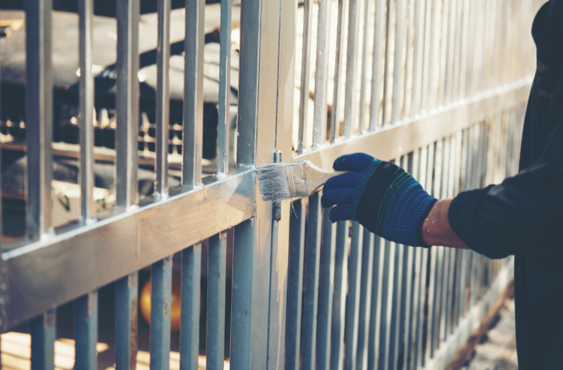
Long-term durability requires frequent inspection. Periodically, every few months, check the whole gate, joints, and points of connection. Check to see the presence of chipped paint, scratches, bubbles, or tiny rust spots. These flaws signify that the protective barrier may have been broken.
In case you notice the initial symptoms of corrosion, take necessary measures. The first thing to do is rub a little rust off the sanded area. Next, apply a rust-preventive primer and an exterior-grade top coat in the same color as the original finish. This seals the metal again and avoids further intrusion of moisture.
Early repairs help to ensure that small problems do not grow into massive problems. You safeguard the integrity of the structure of the gate by preventing the need to perform extensive restoration in the future.
See also: Food, Health, Home, and Lifestyle: Creating a Balanced Modern Life
4. Keep Hinges and Hardware Well-Lubricated
While surface protection is crucial, moving components require equal attention. Hinges, latches, and locking mechanisms experience frequent motion and exposure to outdoor conditions. Without proper lubrication, these parts may stiffen, corrode, or place stress on the gate frame.
To maintain smooth operation, apply a silicone-based lubricant or light machine oil every few months. After application, open and close the gate several times to distribute the lubricant evenly. In addition, check bolts and screws to ensure they remain secure.
Proper lubrication minimizes friction, reduces wear, and prevents moisture from settling inside small mechanical components. When hardware operates smoothly, it supports the overall durability of the gate and prevents unnecessary strain.
5. Apply Protective Sealants for Added Defense
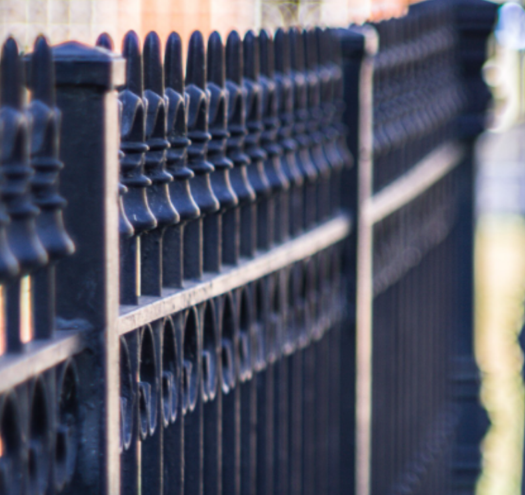
In climates with high humidity or frequent rainfall, additional protective layers can enhance rust resistance. Clear anti-rust sprays or weather-resistant sealants create an extra moisture barrier without altering the gate’s appearance.
Before applying any sealant, make sure the surface is clean and dry. Follow application guidelines carefully to ensure even coverage. These products work alongside the original coating to slow oxidation and preserve the finish.
Although not mandatory in every environment, supplemental sealants provide added assurance in demanding conditions. When used strategically, they extend the lifespan of your metal gate and reinforce existing protection.
Final Thoughts
Preventing rust and damage on a metal fence gate requires consistent attention, yet the process remains practical and manageable. By selecting corrosion-resistant materials and protective finishes from the start, you establish a strong foundation against moisture and oxidation.
Regular cleaning removes debris that traps water, while routine inspections allow you to repair minor imperfections before they escalate. At the same time, lubricating hinges and hardware ensures smooth operation and reduces mechanical strain.
Finally, applying protective sealants when necessary adds an extra layer of defense in challenging climates. When these measures work together, they preserve both appearance and strength.
With thoughtful maintenance and proactive care, your metal gate can remain durable, functional, and visually appealing for many years.