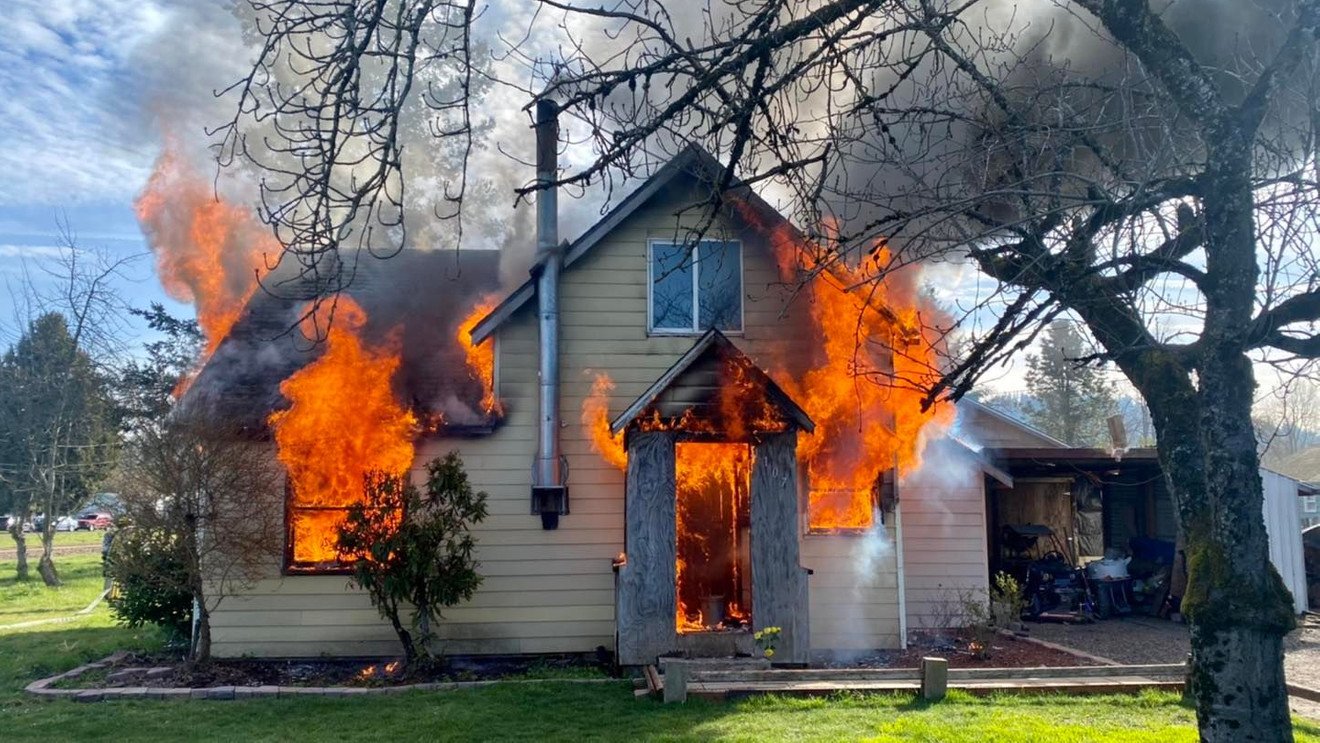
Introduction to the Fire Risk Assessment Process
A fire risk assessment is a structured approach designed to identify fire hazards, evaluate risks to people and property, and implement measures to prevent fire incidents. This process is critical for businesses, residential buildings, and public facilities, ensuring that fire safety is not left to chance. Conducting a fire risk assessment helps protect lives, minimize property damage, and ensure legal compliance with safety regulations.
The process involves a series of systematic steps, beginning with hazard identification and ending with the implementation of preventive measures. By understanding and following this process, organizations can proactively manage fire risks and create a safer environment for occupants.
Step 1: Identifying Fire Hazards
The first and most crucial step is identifying potential fire hazards within the building. Hazards can be internal or external and may include electrical faults, heating equipment, cooking appliances, flammable liquids, or combustible materials. Human activities, such as smoking, improper storage, or negligent handling of equipment, also contribute to fire risk.
High-risk areas, such as kitchens, storage rooms, laboratories, and workshops, should be closely inspected. It is important to consider not only obvious hazards but also hidden or overlooked risks, like faulty wiring, overloaded circuits, or flammable dust accumulation. Identifying these hazards is the foundation for effective fire prevention.
Step 2: Assessing Risk to People and Property
Once hazards are identified, the next step is evaluating who and what is at risk. People at risk may include employees, visitors, contractors, residents, or vulnerable groups like children and the elderly. Assessing risk also involves considering the building structure, materials, and layout, which can influence how fire spreads.
The objective is to understand both the likelihood of a fire occurring and the potential impact on occupants and property. This step helps prioritize which hazards need immediate attention and ensures that preventive measures are targeted and effective.
Step 3: Evaluating Existing Safety Measures
Before implementing new safety measures, it is essential to review current controls and protocols. This includes checking the functionality of fire alarms, smoke detectors, sprinklers, fire extinguishers, emergency lighting, and evacuation routes. Assess whether emergency plans are well-documented and communicated to occupants.
Staff training is another critical factor. Employees or residents should know how to respond in the event of a fire, operate fire extinguishers, and evacuate safely. Evaluating existing measures identifies gaps and weaknesses, allowing for targeted improvements that reduce risk.
See also: Construction Estimating Services: Accurate Cost Planning in Tennessee and Colorado
Step 4: Implementing Preventive Measures
After identifying hazards and evaluating risks, businesses or building managers must implement preventive measures. These include installing or upgrading fire alarms, sprinkler systems, fire extinguishers, and smoke detectors. Clear and accessible emergency exits, emergency lighting, and visible signage are essential for safe evacuation.
Training programs and regular fire drills ensure that occupants understand emergency procedures. Preventive measures should also include safe storage of flammable materials, proper electrical maintenance, and elimination of unnecessary clutter near heat sources. The goal is to reduce both the likelihood and impact of potential fire incidents.
Step 5: Recording Findings and Continuous Monitoring
Documentation is a vital component of the fire risk assessment process. Detailed reports should record identified hazards, assessed risks, and the preventive measures implemented. This documentation not only ensures legal compliance but also serves as a reference for future reviews and emergency planning.
Fire risk assessments are not one-time activities. Continuous monitoring, periodic reviews, and updates after significant changes—such as renovations, staffing changes, or new equipment—ensure ongoing fire safety. Regular inspections maintain the effectiveness of safety measures and adapt to evolving risks.
Benefits of Following the Fire Risk Assessment Process
Following this structured process brings multiple advantages. It protects occupants, minimizes property damage, enhances preparedness, and strengthens compliance with local fire safety regulations. Staff training and awareness improve, reducing panic during emergencies. Insurance providers often require documented assessments for coverage, highlighting the financial importance of a thorough process.
Conclusion
The fire risk assessment process, from identification to prevention, is an essential framework for managing fire hazards effectively. By systematically identifying risks, evaluating existing safety measures, implementing preventive strategies, and maintaining continuous monitoring, organizations can protect lives, property, and business continuity. A proactive and well-documented fire risk assessment ensures legal compliance, fosters a culture of safety, and prepares occupants for emergencies.
✅ Word count: ~940+