Somewhere between $50,000 and $500,000, trust becomes the only currency that matters. The pre-owned luxury watch market moves billions of dollars annually, yet it remains one of the few high-value industries where counterfeits, condition misrepresentation, and opaque pricing are still everyday risks. Serious collectors know this. They have heard the stories. And increasingly, they are making their decisions based less on price alone and more on where they can buy with genuine confidence.
That shift in buyer behavior has quietly elevated a small number of specialists above the noise. One name keeps surfacing in conversations among collectors who take their acquisitions seriously.
The Problem With the Pre-Owned Watch Market
The secondary market for luxury watches has grown significantly over the past decade. Platforms like Chrono24 and WatchBox have helped normalize online pre-owned sales, and the broader market is now valued at well over $20 billion globally according to estimates from Morgan Stanley and LuxeConsult.
But scale has not solved the core problem. Counterfeiting remains sophisticated. Dial originality is frequently misrepresented. Box and paper discrepancies are common. And pricing, especially for references like the Rolex Daytona 116500LN or a Patek Philippe 5711, can vary by tens of thousands of dollars across sellers with no clear explanation of why.
For first-time luxury buyers, that opacity is genuinely intimidating. For established collectors, it is just exhausting. Both groups want the same thing: a source they can rely on without spending hours auditing every detail themselves.
See also: Food, Health, Home, and Lifestyle: Creating a Balanced Modern Life
What Separates a Trusted Specialist From a Marketplace
The distinction between a curated specialist and an open marketplace is not just philosophical. It shows up in the actual experience of buying.
A marketplace aggregates supply. A specialist curates it. That difference has direct consequences for the buyer.
When every piece in an inventory has been physically handled, authenticated, and assessed by people who know the difference between a genuine Rolex Caliber 3235 movement and a well-executed replica, the buying decision changes entirely. The collector is not doing their own due diligence from scratch. They are making a decision based on work that has already been done properly.
Wrist Aficionado has built its reputation on exactly that model. Every piece that enters inventory goes through a thorough authentication process before it is offered for sale. That is not a marketing statement. It is the operational foundation the business runs on, and long-term collectors notice the difference.
Access to the References That Actually Matter
Ask any serious collector what frustrates them most, and the answer comes up quickly: getting access to the watches they actually want.
Authorized dealers allocate their most coveted references through waitlists and relationship-based systems. A Patek Philippe Nautilus 5726A, a Rolex GMT-Master II “Pepsi” in steel, or an Audemars Piguet Royal Oak Jumbo 15202ST are not pieces you walk into a boutique and buy off the shelf. For most buyers, the secondary market is the only realistic option.
The challenge there is finding a seller who actually has what you need, not just what happens to be available. A robust sourcing network changes everything. When a specialist can actively locate a specific reference on behalf of a client, rather than waiting for it to appear in general inventory, the experience becomes something closer to a private concierge than a retail transaction.
This is where deep market relationships and a global sourcing reach become genuinely valuable. Collectors in New York, Miami, and Beverly Hills who have worked with specialists at this level describe it as the difference between browsing and actually finding.
The Role of Physical Presence in Building Collector Trust
Remote purchasing of six-figure watches is now entirely normal. But physical presence still matters, and perhaps more than some digital-first platforms would like to admit.
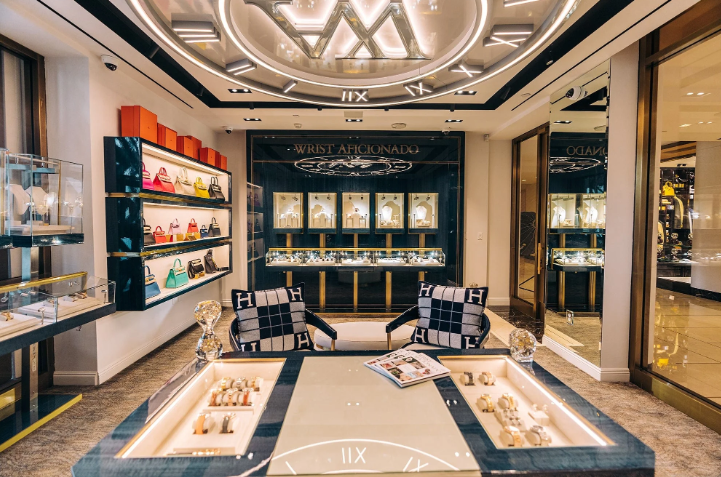
Having boutique locations inside properties like the Setai Hotel in Miami and the Waldorf Astoria in Beverly Hills is not just about aesthetics. It signals something concrete about how the business operates and who it serves. These are environments built around discretion, quality, and the expectations of clients who spend at this level regularly.
For collectors who want to handle a piece before committing, or who want to discuss a potential sale or consignment in person, a boutique appointment provides something no photograph or video walkthrough can fully replicate. The ability to sit across from someone who knows the watch as well as you do is a meaningful part of the experience.
Buying, Selling, and Trading Under One Roof
The lifecycle of a serious collection involves more than buying. Watches get traded. Collections get refined. Pieces that made sense at one stage get sold to fund the next acquisition.
Having a single trusted source that handles buying, selling, consignment, and sourcing in one place simplifies a process that can otherwise involve multiple parties, conflicting valuations, and significant friction.
For sellers, the key question is always whether the offer reflects genuine market value. For buyers, it is whether what they are looking at is worth the asking price. When the same team handles both sides of the market consistently, calibration tends to be more accurate. There is less incentive to lowball sellers or inflate prices for buyers when the reputation of the business depends on repeat clients and long-term relationships.
For anyone building or refining a collection, exploring the full Wrist Aficionado watches collection gives a clear sense of the range and depth on offer, from core investment-grade references to more unusual independent watchmaker pieces.
Why Independent and GPHG-Tier Brands Matter More Than Ever
The collector conversation has evolved. Rolex, Patek Philippe, and Audemars Piguet remain the pillars, but serious collectors are increasingly drawn to independent watchmakers with genuine horological credibility.
Brands like F.P. Journe, Greubel Forsey, MB&F, and A. Lange and Sohne occupy a different part of the conversation. These are watches that require real knowledge to source, evaluate, and price accurately. A specialist who carries these references is not just stocking inventory. They are demonstrating a level of engagement with horology that goes beyond the mainstream.
De Bethune, for example, produces some of the most technically and aesthetically distinctive pieces in independent watchmaking. Finding a trusted source for a DB28 or a DB25 is meaningfully harder than sourcing a popular steel sports watch. That difficulty is partly what makes the right specialist so valuable to collectors at this level.
Key Takeaways
- Authentication is not optional. In the pre-owned luxury watch market, the difference between a trusted specialist and a marketplace shows up directly in the buying experience and in long-term peace of mind.
- Access matters as much as inventory. The ability to source a specific reference on request separates a genuine specialist from a seller who only offers what they already have.
- Physical presence still plays a role. For high-value transactions, the option to engage in person at a properly positioned boutique environment changes the dynamic of the relationship.
- Buying and selling under one roof reduces friction. A full-service ecosystem that handles acquisition, consignment, and resale keeps the collector relationship intact across multiple transactions.
- Independent watchmakers deserve attention. Collectors who look beyond the mainstream brands are finding some of the most interesting and potentially undervalued pieces in the independent watchmaking space.
Frequently Asked Questions
How do I know a pre-owned luxury watch has been properly authenticated? The most reliable signal is working with a specialist who authenticates every piece before listing it, rather than relying on seller-provided documentation alone. Certifications, physical inspection by trained specialists, and movement verification are all part of a credible authentication process. Asking detailed questions about the process before purchasing is always reasonable.
What should I bring to a boutique appointment when selling a watch? Ideally, bring the original box, papers, and any service history you have. Even without documentation, a reputable specialist can assess the watch independently. Having the full set does typically affect valuation, so it is worth locating what you can before your appointment.
Are pre-owned watches from independent brands a good investment? Some are. F.P. Journe and Patek Philippe have both shown strong long-term value retention, though no watch should be purchased purely as a financial instrument. The more important question is whether the piece is correctly priced, properly authenticated, and sourced from a seller you trust.
What is the difference between consignment and selling outright? Selling outright means the specialist buys the watch directly from you, giving you immediate liquidity. Consignment means the specialist sells on your behalf and takes a percentage once the watch sells. Consignment can yield a higher return, but outright sale is faster and simpler if timing matters.
Can I request a specific reference that is not currently in inventory? Yes. Reputable specialists with global sourcing networks can actively look for watches that match a client’s specific requirements. This is particularly useful for hard-to-find references like a Patek Philippe 5970 or a rare Rolex Daytona variant.
Conclusion
The pre-owned luxury watch market rewards preparation and punishes shortcuts. Buyers who take the time to understand authentication, access, and the difference between a marketplace and a specialist consistently report better experiences and fewer regrets.
For collectors across New York, Beverly Hills, and Miami, the question is rarely whether to buy pre-owned. It is who to buy from. That answer increasingly comes down to which specialist has earned the kind of trust that survives a six-figure transaction and keeps clients coming back when the next acquisition is on the table.
If you are at that stage, the obvious starting point is doing your research, handling pieces where possible, and engaging with a specialist whose inventory and process reflect a level of seriousness that matches your own.