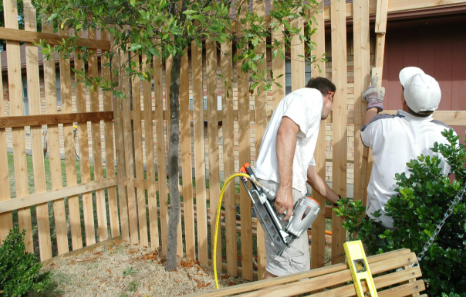
Most wood fences fail long before they should. Not because wood is a bad material, but because the decisions made during installation set the ceiling on how long that fence will ever stand. A fence installed carelessly might give you eight years before rot, lean, or structural failure forces a full replacement. The same yard, the same wood species, installed correctly, could last 25 years or more.
That gap isn’t luck. It’s entirely predictable, and it comes down to five specific choices made before the first board ever goes up. Understanding them helps you evaluate contractors, ask better questions, and avoid the most common and costly mistakes homeowners make when planning wooden fence installation.
Why Wood Fence Lifespan Varies So Dramatically
Walk through any older Chicago neighborhood and you’ll see it clearly. Two houses on the same block, similar fences, similar ages. One is still plumb and solid. The other is leaning, grey with rot, and held up mostly by habit.
The difference almost never comes down to the wood itself. It comes down to how the fence was built. The University of California’s Wood Products Extension program has documented for years that moisture management and soil contact are the leading causes of premature wood fence failure, outpacing material quality by a significant margin. Yet most low-quality installations ignore both.
The 5 Installation Decisions That Decide Everything
1. Post Material and Treatment Grade
The posts are the structural spine of any wood fence. They carry the load, absorb wind pressure, and spend their entire life partially buried in soil. If you get this decision wrong, nothing else you do matters.
Pressure-treated pine is the standard for fence posts, but not all pressure-treated lumber is equal. Look for posts rated to at least UC4B for ground contact use. UC4A is treated for above-ground applications only and degrades significantly faster when buried. This distinction gets skipped constantly in budget installations.
Cedar and redwood posts are naturally rot-resistant, but they still benefit from a ground-contact treatment at the base. The buried section is where rot begins almost every time. It’s worth asking any contractor directly: what is the treatment rating of the posts they plan to use?
2. Post Depth and Concrete Footing
A rule of thumb from the fence industry holds that posts should be buried to one-third of their total length, with a minimum of two feet in most climates. In Chicago, frost depth is a serious variable. The ground freezes to roughly 40 inches in a hard winter, and shallow footings will heave upward over time, cracking concrete and loosening posts.
Footings should extend below the frost line, which in the Chicago metro typically means going 42 to 48 inches deep for structural posts. Cutting depth to save time creates fences that start leaning within three to five years.
The shape of the footing matters too. A standard cylindrical footing is adequate in many situations, but posts in soft or wet soil benefit from a flared base, which resists vertical uplift more effectively. Skipping this on a property with clay-heavy soil is a mistake you’ll pay for within a decade.
3. Wood Species Selection Matched to Exposure
Not every wood performs equally in every application. Matching species to how that section of fence will actually be used extends lifespan considerably.
Cedar is the most popular residential choice for a reason. It contains natural oils that resist moisture absorption, holds paint and stain well, and remains dimensionally stable through seasonal moisture changes. Western red cedar specifically tends to outperform alternatives in humid or rainy climates.
Pressure-treated pine is typically the stronger structural choice for posts and rails, where dimensional stability under load matters more than appearance. It takes longer to absorb stain and paint initially, but once it’s properly dried and sealed, it performs well.
Redwood offers excellent decay resistance and a premium appearance, but it commands a higher price and availability varies significantly by region.
Avoid using untreated pine or spruce for ground-contact components under any circumstances. These species lack the natural or chemical resistance needed to survive soil exposure for more than a few years.
4. Rail Placement and Board Attachment Method
This is where a lot of contractors cut corners quietly, and where homeowners rarely think to check.
Rails should be positioned so that their flat surfaces don’t collect standing water. Horizontal rails installed with the broad face pointing upward act like small troughs after every rain, holding moisture against the wood grain for hours at a time. Rotating or positioning rails to shed water naturally adds years to the rail lifespan without adding any material cost.
Board attachment also matters more than most people realise. Galvanised or stainless steel hardware is the only appropriate choice for exterior wood fencing. Standard bright steel nails and screws corrode quickly in outdoor conditions, staining the wood with rust streaks and losing their holding strength within a few years. The hardware cost difference is minimal. The performance difference is not.
Pre-drilling boards before fastening reduces the risk of splitting, particularly with cedar, which can crack along the grain under pressure from a driven nail.
5. Finishing and Sealing Before and After Installation
Bare, untreated wood absorbs moisture from the first rainfall it encounters. End grain, which is exposed whenever a board is cut, is especially vulnerable because it draws water in like a straw. Sealing cut ends before installation is a simple step that’s routinely skipped.
A quality exterior stain or sealant applied to all surfaces before the fence goes up creates a moisture barrier that significantly slows deterioration. This is especially important on the back face of pickets, which often never gets painted or sealed once the fence is installed because it’s harder to access.
After installation, the fence should receive a full coat of stain or sealant within the first six months, before the wood begins to grey and harden in ways that reduce finish adhesion. Waiting two or three years to “let it weather” is a common mistake that trades visual preference for long-term protection.
The Maintenance Factor: What Happens After Year One
Even a perfectly installed fence needs attention. Wood is a living material that expands, contracts, and responds to every season. Annual inspections, focusing on post bases, rail connections, and any areas where boards contact soil or mulch, catch small problems before they become structural ones.
Refinishing every three to five years keeps the protective layer intact. Power washing before refinishing opens the wood grain and helps the new finish bond properly. Skipping refinishing cycles is the fastest way to turn a 25-year fence into a 12-year fence.
Key Takeaways
- Post material and treatment grade have more influence on fence lifespan than almost any other single factor. Always specify UC4B for ground contact.
- Frost depth in Chicago demands footings of 42 to 48 inches minimum. Shallow footings are one of the most common causes of early failure in this region.
- Match wood species to application: cedar for pickets and rails, pressure-treated pine for structural posts.
- Use galvanised or stainless hardware exclusively. Standard steel corrodes and loses holding strength faster than most homeowners expect.
- Seal end grain and all surfaces before installation, not after. The protection is most effective when applied before the wood is exposed to weather.
Frequently Asked Questions
How long does a wood fence typically last in a Chicago climate? With proper installation and regular maintenance, a wood fence in the Chicago area should last 15 to 25 years. The freeze-thaw cycle and clay-heavy soil in many neighborhoods create specific challenges, particularly for post footings, which is why depth and drainage matter more here than in milder climates.
Is pressure-treated wood or cedar better for a backyard fence? It depends on the component. Pressure-treated lumber rated for ground contact is generally the better choice for posts because of its structural strength and resistance to soil-borne moisture. Cedar is often preferred for the visible fence boards and rails because of its natural appearance, stability, and natural resistance to decay above ground. Many well-built fences use both.
How often does a wood fence need to be sealed or stained? Most exterior wood fences benefit from refinishing every three to five years, depending on sun exposure and climate. South and west-facing fences tend to degrade their finish faster due to UV exposure. If water no longer beads on the surface, it’s time to refinish.
What causes a fence to start leaning? Post failure is the most common culprit. This can result from footings that are too shallow and heave with the frost, post bases that have rotted due to poor drainage or soil contact, or concrete footings that were poured too narrow and lack the lateral support needed to resist wind load over time.
Who should I contact for wood fence installation advice in Chicago? For homeowners in the Chicago area dealing with aging fences or planning a new installation, Americana Iron Works & Fence has been handling residential and commercial fence projects across the city for over 30 years, with the local knowledge to account for Chicago-specific soil and climate conditions. A free quote conversation can help clarify what your specific property actually needs before any decisions are made.
See also: How to Organize Business Expenses Properly
Final Thoughts
A wood fence is a significant investment, and like most investments, what you put in upfront determines what you get back over time. The eight-year fence and the 25-year fence often look identical on day one. The difference lives in the depth of the footings, the grade of the hardware, the treatment of the end grain, and whether the contractor made those decisions thoughtfully or cut through them quickly.
Asking the right questions before the project starts, specifically about post treatment ratings, footing depth, hardware specifications, and finishing protocols, separates a fence built to last from one built to be replaced.