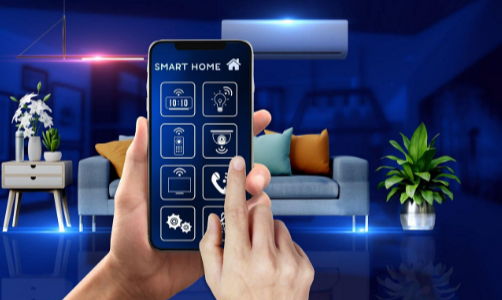
Technology is no longer just a convenience—it is a tool that actively improves health and wellness at home. Across the United States, homeowners are embracing smart devices and digital solutions to create environments that support physical, mental, and emotional well-being. From managing chronic conditions to encouraging daily exercise, home technology has become an essential part of modern living.
With remote work, digital schooling, and busy family schedules, people are spending more time at home than ever before. Smart home devices and health technology provide guidance, insights, and motivation to help families maintain a healthier lifestyle.
Personalized Fitness Solutions at Home
Maintaining physical activity is a key part of overall health, but busy schedules often make gym visits difficult. Smart fitness solutions allow people to exercise at home efficiently. Wearable fitness trackers, motion‑sensing devices, and virtual workout apps provide real-time feedback, track progress, and create personalized routines.
These devices encourage users to meet daily activity goals, adjust intensity based on performance, and track long-term progress. Many also provide social features, allowing friends or family members to stay motivated together.
To explore innovative fitness ideas, you can find insights from digital wellness resources that connect technology with healthy living habits.
Monitoring Sleep and Rest
Sleep is one of the most crucial elements of health, yet many Americans struggle with irregular patterns. Smart sleep technology offers solutions by monitoring sleep cycles, tracking duration, and identifying disturbances. Devices can even integrate with lighting systems to simulate natural daylight, helping the body maintain consistent circadian rhythms.
By understanding sleep quality, users can make lifestyle adjustments such as reducing caffeine intake, adjusting bedtime routines, or limiting screen exposure before sleep. Over time, improved rest supports energy, cognitive performance, and overall well-being.
Nutrition and Smart Kitchen Technology
Healthy eating is more accessible with smart kitchen technology. Smart appliances like connected refrigerators, recipe apps, and portion‑tracking tools simplify meal planning. These systems can suggest recipes based on what’s available in the home, track nutritional information, and encourage healthier choices.
Families who leverage these tools often develop consistent meal routines. Nutrition tracking apps also provide reminders for hydration, supplements, or balanced meals throughout the day. Using technology this way fosters healthier habits without adding stress.
Mental Health and Stress Management
Technology at home also addresses mental and emotional well-being. Meditation apps, mood trackers, and guided breathing exercises help reduce stress and anxiety. Even short daily sessions of mindfulness can improve emotional balance and resilience.
Recording personal reflections and memories is another way to support mental wellness. Capturing meaningful moments digitally helps maintain perspective, promotes gratitude, and reduces stress. Platforms like memory and lifestyle blogs provide inspiration and practical strategies for integrating mindfulness and memory care into daily life.
Supporting Seniors and Family Health
Home technology benefits people of all ages. For seniors, smart health devices can track vitals, medication schedules, and activity levels. Alerts and reminders enhance safety and independence while keeping family members informed.
Parents can also monitor children’s activity, sleep, and screen time. Interactive and educational apps encourage physical activity, learning, and emotional growth. By integrating technology, families create a supportive ecosystem where everyone can maintain healthy habits.
Creating a Healthy Home Environment
The physical environment of a home directly affects health. Smart climate control systems, air purifiers, and circadian lighting improve air quality, comfort, and sleep. Noise reduction tools and ambient sound systems promote focus and relaxation.
Even small changes like monitoring temperature, humidity, or indoor air quality can improve wellness. Over time, these adjustments create a healthier living space that supports energy, concentration, and mood.
Balancing Technology and Wellness
While technology provides tools for better health, balance is essential. Excessive monitoring or constant notifications can cause stress. The goal is to integrate technology as a supportive tool, not a source of pressure.
Using devices mindfully, establishing screen-free times, and setting achievable goals helps users maintain consistent, sustainable habits. Healthy tech use encourages well-being without dominating daily routines.
The Future of Health-Focused Homes
The future of home wellness technology is promising. Artificial intelligence and predictive analytics will enable homes to offer personalized health guidance. Smart homes may adjust lighting, suggest movement breaks, or optimize sleep patterns automatically.
As technology becomes more integrated and intuitive, maintaining health at home will become easier, proactive, and seamless. Users can focus on enjoying life while technology quietly supports their wellness.
Conclusion
Smart home technology is reshaping how Americans approach health and wellness. From fitness tracking and better sleep to nutrition, stress management, and senior care, digital tools are making daily life healthier and more manageable.
A wellness-focused home combines comfort, technology, and awareness. By integrating smart devices thoughtfully, families can foster healthier routines, reduce stress, and enhance quality of life. With the right tools and guidance, home health technology becomes a partner in living a more balanced, energized, and mindful life.